


Why Shakhtar Donetsk have Welsh roots
You could have been forgiven for thinking it was the opening ceremony to an Olympic Games, such was the spectacular opulence surrounding the gala event Shakhtar Donetsk held to celebrate the clubâÂÂs 75th anniversary last year.
Rihanna topped the bill at May's multimillion dollar all-singing, all-dancing extravaganza that charted their history back to the days when Shakhtar started out as a workersâ side for miners from the Donbass, a fiercely proud industrial region of what is today eastern Ukraine.
These roots haven't been forgotten. The clubâÂÂs crest features a pair of crossed hammers with a flame, and their very name means âÂÂminerâ in Russian. Even the orange and black coloured kit is a nod to the past.
Donetsk is considered to be the unofficial capital of Donbass. When billionaire owner Rinat Akhmetov â himself the son of a coalminer â christened ShakhtarâÂÂs new stadium in 2009 he called it the Donbass Arena.
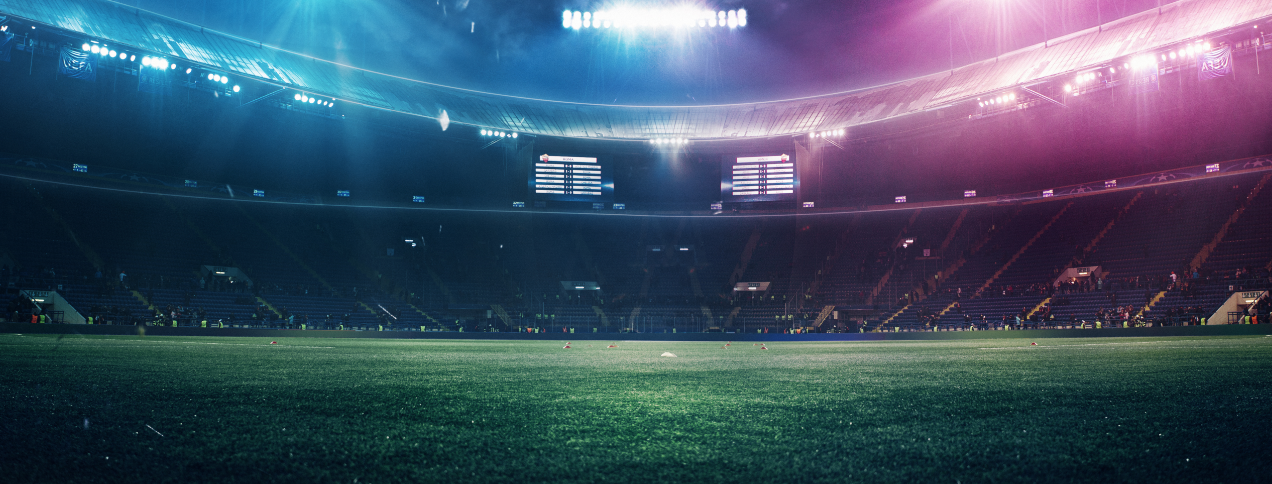
Reflected glory: the Donbass Arena
Coal has been mined in the region since 1721 and later that century iron ore was discovered, prompting the Russian Empire to look overseas to help exploit these reserves. With the promise of free coal, a cheap labour force and a considerable return on investment, one such industrialist who took them up on their offer was a Welshman, John Hughes.
The Merthyr Tydfil ironmaster quite literally put Donetsk on the map. Prior to industrialisation this barren steppe was known as âÂÂthe Wild FieldsâÂÂ, but in 1869 Hughes paid ã24,000 for the rights to build a metallurgical plant, and with him the 55-year-old brought around 70 skilled Welsh labourers.
The best features, fun and footballing quizzes, straight to your inbox every week.
While some left, many settled and their families travelled out to join them for a new life in the Ukraine. Donetsk, or Hughesovka as it was originally known, grew up around the plant and an expat community blossomed with schools, an Anglican church, hospital, tearooms, bathhouses and dancehalls soon built. Hughes also established DonetskâÂÂs first fire brigade.
In time, his empire grew to include a factory producing the rails for RussiaâÂÂs ever-expanding railway network and several collieries. The British workers brought with them leather footballs. Matches were soon being played in the shadow of the metal works, but it wasn't until 1911 and the creation of the Hughesovka Sports Society that things became more organised.
Big man: A statue of Hughes in Donetsk
By then, Hughes had died, leaving his four sons to inherit the business. Football had taken root in the Ukraine and regional tournaments were beginning to be held: in 1913 a Hughesovka side that included eight Britons won the Donbass Cup.
Just a year later the First World War broke out and then came the revolution that irrevocably changed the landscape in this corner of the Russian Empire. Three of the teamâÂÂs British footballers are known to have fallen in battle.
When the Bolsheviks swept into power, the state assumed control of HughesovkaâÂÂs industrial works and its expat community fled. By 1924 Hughesovka became Stalino â not, as you might expect, after Josef Stalin, but the Russian word for steel: âÂÂstalâÂÂ.
The game the British workers left behind didnâÂÂt disappear and it continued to be played after their departure by the Donbass miners, who founded Shakhtar in 1936 to compete in the inaugural Soviet championship later that year. Their original name was Ugolshchiki Stalino (ugolshchiki means âÂÂcoalminerâÂÂ).
This quickly changed again as the club was rechristened Stakhanovets Stalino in honour of the legendary Oleksiy Stakhanov, a local worker who state media reported mined an incredible 102 tonnes of coal during a single shift â 14 times the average.
Against the backdrop of StalinâÂÂs five-year plans, Stakhanov become something of a propaganda figure as the Kremlin sought to increase productivity among the workforce and a 10-day period of âÂÂStakhanovismâ followed. Stakhanovetsâ first official league match was a 4-1 defeat to Dinamo Kazan on 24 May 1936.
When Nikita Khrushchev became leader of the Soviet Union, he oversaw a policy of âÂÂde-stalinisationâ aimed at removing the cult of personality Stalin had built up and in 1961. As a result, the club â and city â changed names. Stalino evolved into Donetsk, deriving its moniker from the Seversky Donets River.
As Shakhtar Donetsk, the team won the Soviet Cup four times; twice in the 1970s the Pitmen, as they are nicknamed, were runners-up of the Top League.
Their arch-rivals Dynamo Kyiv dominated after independence until Akhmetov came to power in October 1996 and ushered in a new era for the club and, indeed, Ukrainian football.
Akhmetov and coach Mircea Lucescu celebrated winning the 2009 UEFA Cup
But despite the upheaval and several changes over the years the people of Donetsk have never forgotten their cityâÂÂs founding father. Several places bear his name and a statue of Hughes stands proudly on its main thoroughfare.
He isn't the only Briton to leave a lasting legacy in this corner of eastern Ukraine, though. Hughes wasn't even the first. Seventy-four years before he arrived on the banks of the Kalmius River, Scotsman Charles Gascoigne established an iron foundry just 80 miles from Donetsk, that spawned the city of Luhansk.
